Dorayaki in Tokyo: Moist Tsubuan and Soft Pancakes at Usagiya in Ueno
If you want to try traditional wagashi in Tokyo, Usagiya in the Ueno–Okachimachi area is one shop worth knowing.
Founded in 1913, Usagiya is best known for dorayaki. This familiar Japanese sweet sandwiches azuki red bean paste between two round pancakes, but what stands out here is the combination of freshly made, soft pancakes and a generous layer of moist tsubuan.
Rather than a long-lasting souvenir to carry overseas, this is a sweet to buy while you are in Tokyo and, if possible, enjoy the same day.
A Wagashi Shop in Ueno Since 1913
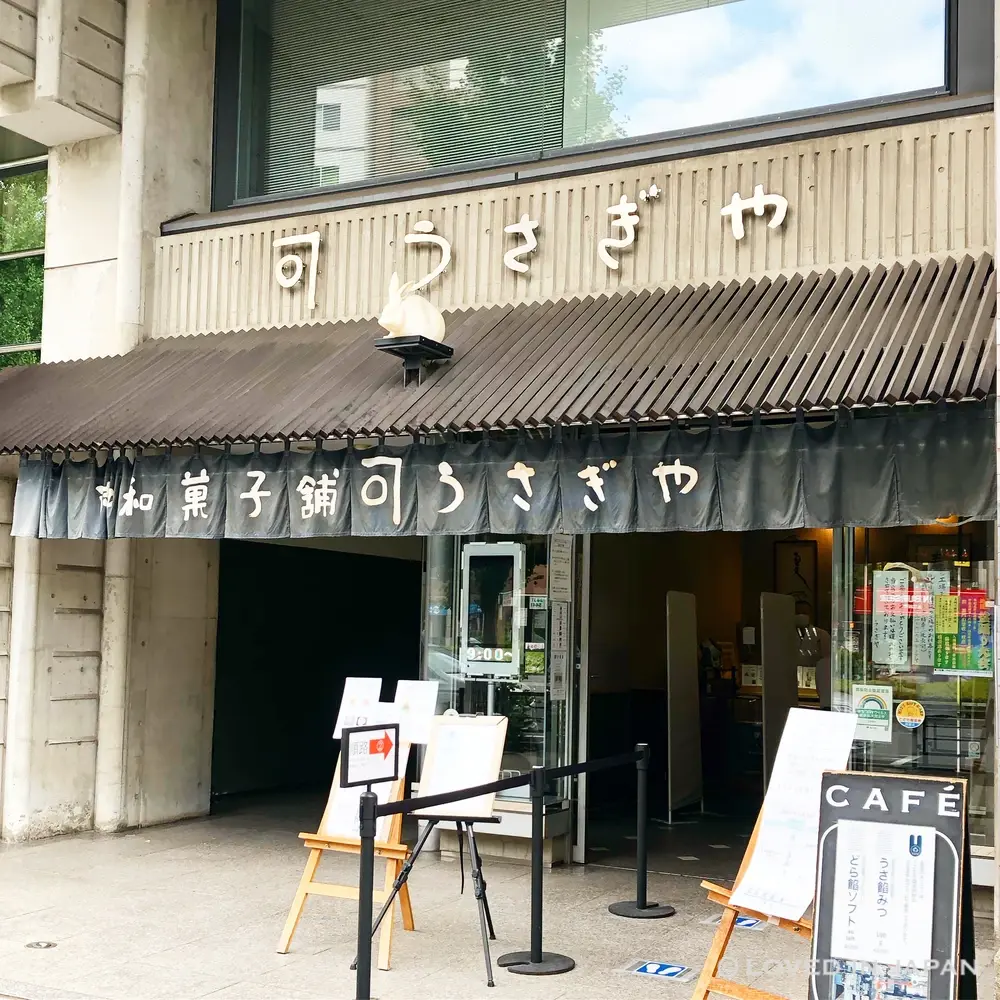
Usagiya has been making wagashi in Tokyo’s Ueno area for more than a century. The shop is within walking distance of Yushima, Ueno-hirokoji, and Okachimachi stations, making it easy to include while exploring Ueno or Okachimachi.
When we visited, customers of different ages kept coming through the door to buy dorayaki and boxed wagashi. We also noticed many people choosing sweets not only for themselves but as gifts for others.
Dorayaki remains the shop’s signature sweet, while Kisaku Monaka and Usagi Manju are also among its representative wagashi today.
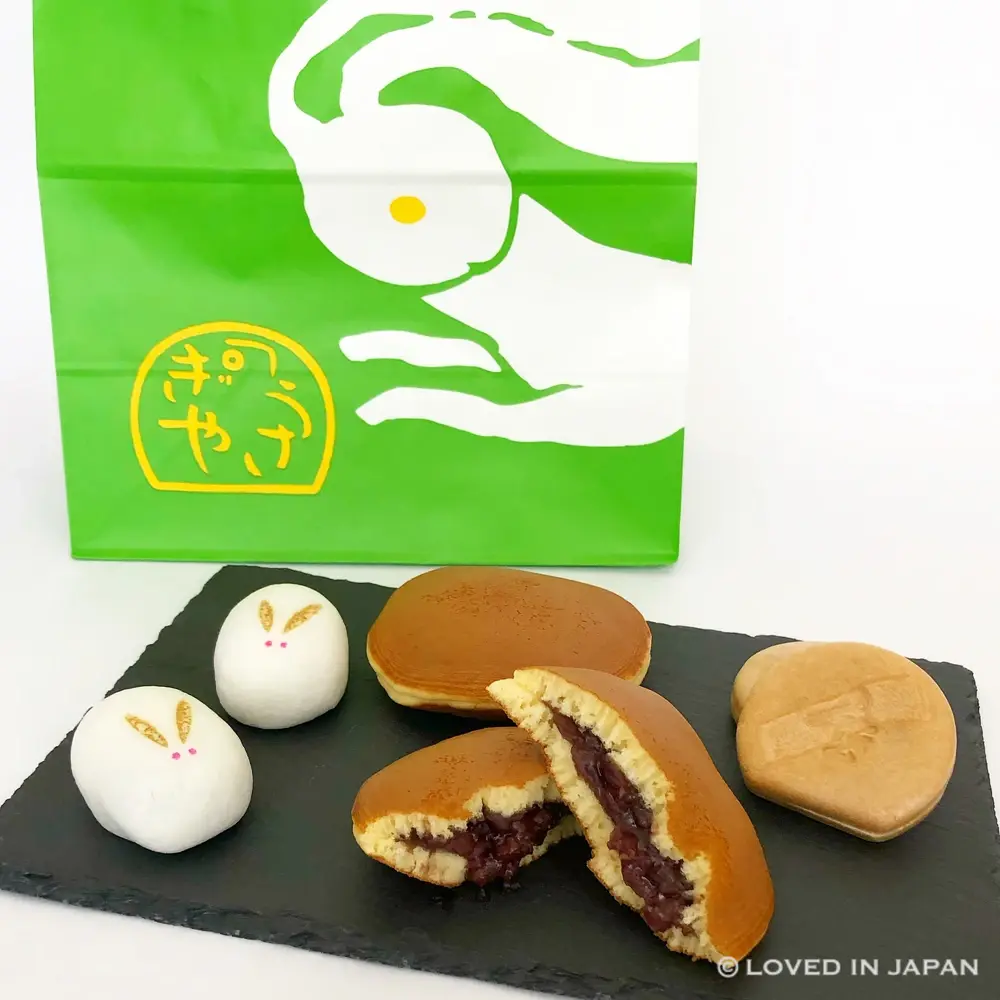
The Moist Tsubuan Is the Heart of Usagiya’s Dorayaki
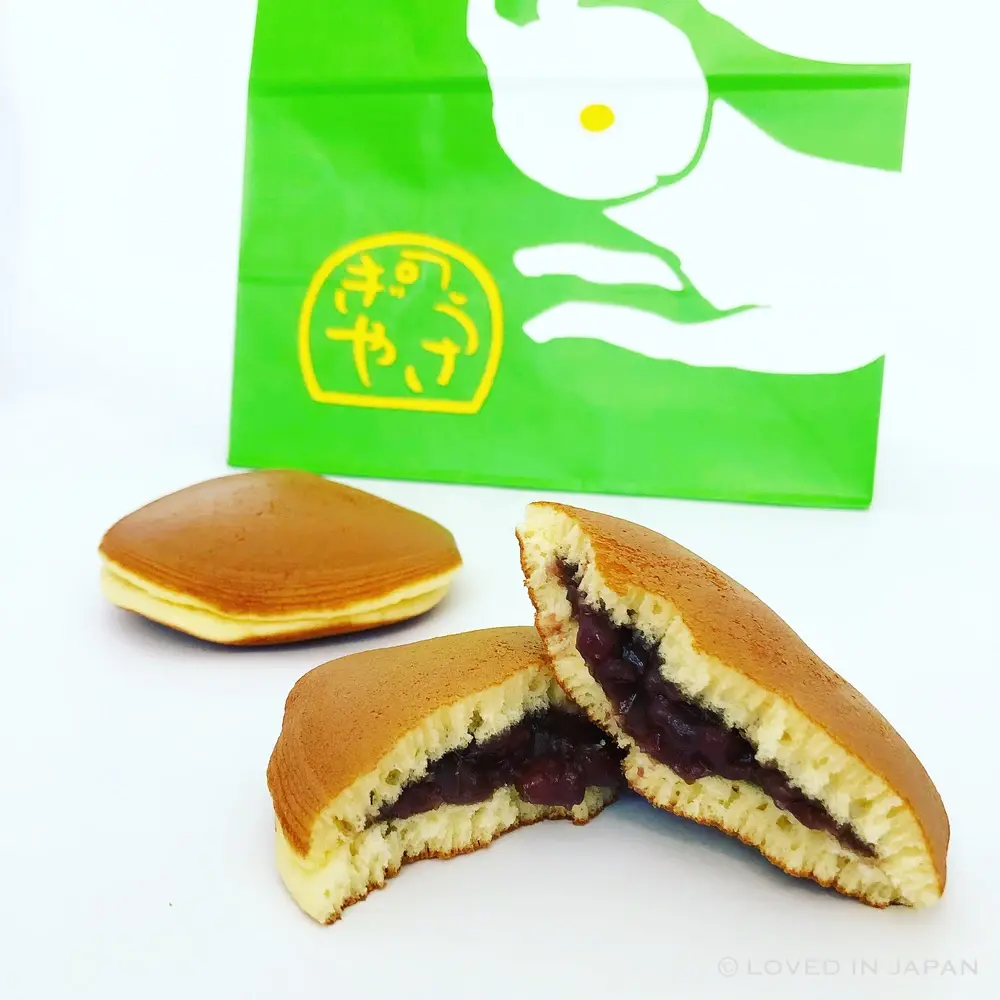
Dorayaki is a Japanese sweet made by sandwiching azuki bean paste between two round pancakes made with ingredients such as flour and eggs.
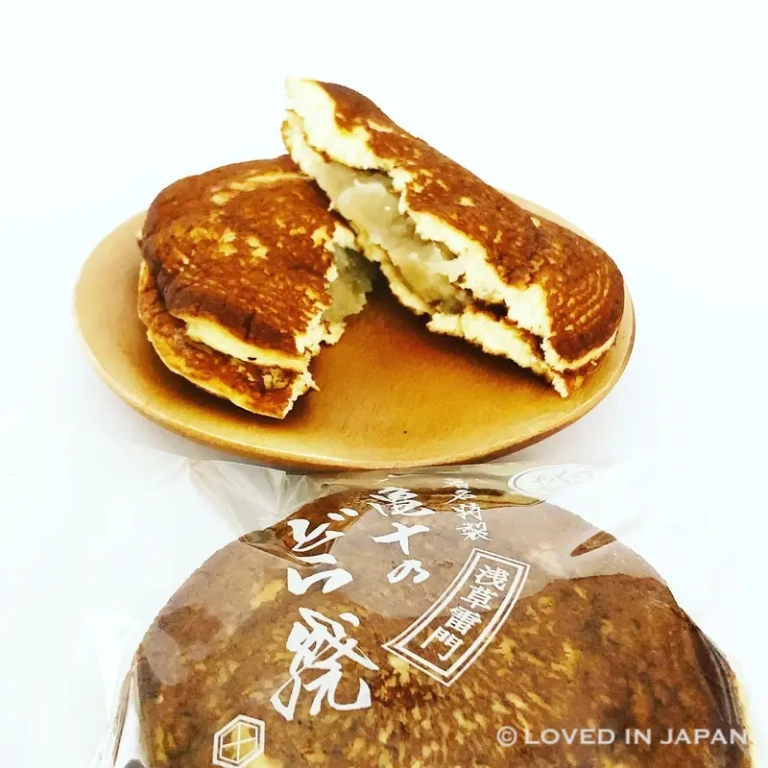
Split open Usagiya’s dorayaki and the first thing you notice is the generous amount of tsubuan, packed between the pancakes almost to the point of spilling out.
Tsubuan is red bean paste cooked so that the azuki beans and some of their skins remain visible. In Usagiya’s version, the beans still hold their shape, but each one is soft, and the filling contains enough moisture to feel smooth rather than dense or dry.
When we tried it, the sweetness did not linger as a strong sugar note. With each bite, the flavor of the azuki beans themselves became more noticeable. There is a generous amount of filling, but it does not leave a dense, sugary finish on the palate.
The pancakes around the filling are only mildly sweet. They retain moisture and feel soft, with a gentle spring when you bite through them.
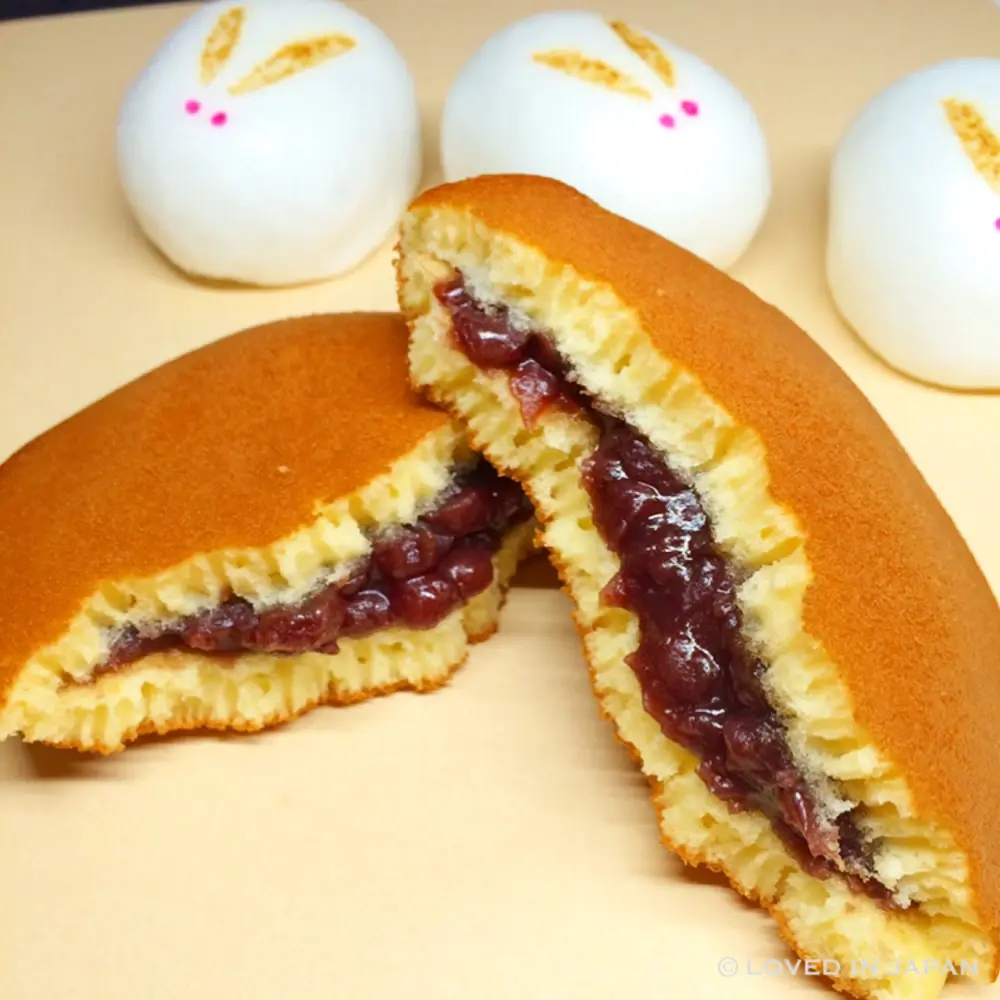
The soft, slightly springy pancakes and moist tsubuan come together easily in the mouth, while the difference between the two textures remains clear. Each dorayaki is 270 yen including tax.
Eat It on the Day You Buy It If You Can
Usagiya’s dorayaki is not a boxed sweet designed for long-term storage.
Freshness is an important part of the experience. The texture of both the pancakes and the bean paste changes as time passes, so if you buy one while traveling, it is best to take it back to your hotel or accommodation and eat it on the day of purchase if possible.
Dorayaki is baked throughout the day, but a reservation is required if you plan to pick yours up after 4:00 PM. If you expect to visit in the late afternoon, calling ahead is the safer option.
Rather than treating it as a souvenir to carry overseas, it makes more sense to build Usagiya into your day as a chance to taste freshly made wagashi while you are still in Tokyo.
Kisaku Monaka, Named After Usagiya’s Founder
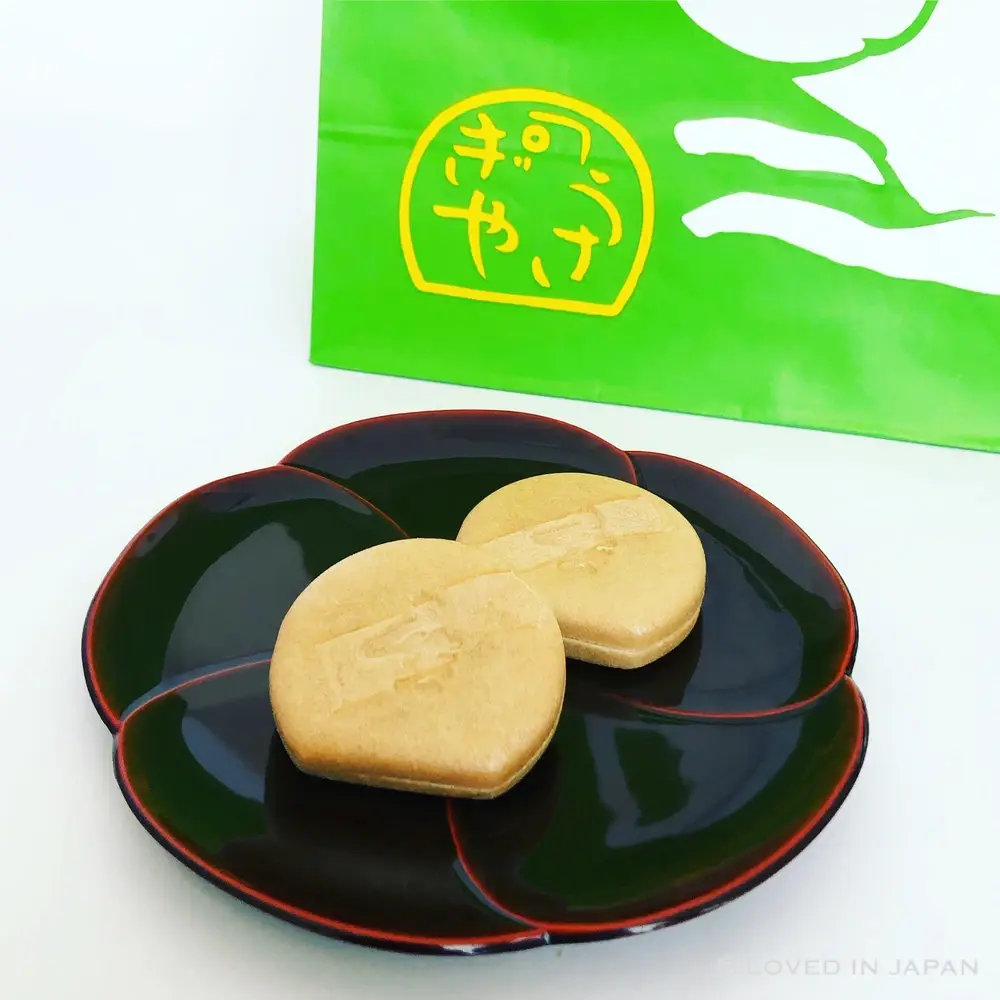
Another sweet worth knowing alongside the dorayaki is Kisaku Monaka.
Monaka is a Japanese wagashi made by sandwiching bean paste between thin wafer shells made from glutinous rice. Kisaku Monaka has a half-moon shape and takes its name from Usagiya’s founder, Kisaku Taniguchi.
The Kisaku Monaka we tried had a roasted aroma from the wafer shell and a generous amount of smooth koshi-an inside. The bean paste was sweet without leaving a strong sugar note behind, and its moist, soft texture spread easily across the tongue. Candied Dainagon azuki beans added occasional whole-bean texture, while each piece costs 150 yen including tax.
If dorayaki is about the combination of soft pancakes and tsubuan, Kisaku Monaka gives you a clearer contrast between the thin, fragrant shell and the smooth bean paste inside.
Usagi Manju Shaped Like a Rabbit
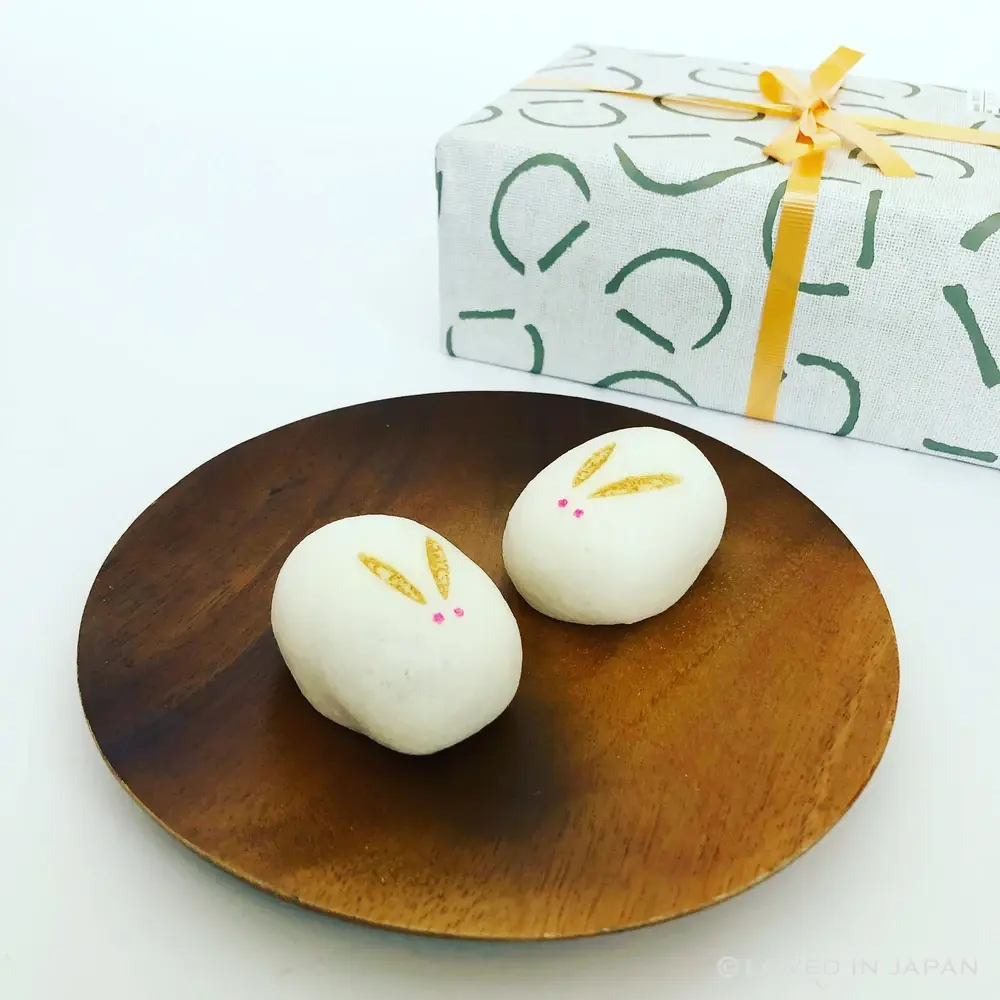
Another wagashi that visually echoes the shop’s name is Usagi Manju.
It is a small rabbit-shaped manju with a rounded body, red eyes, and long ears drawn on the surface.
The outer layer is made with yam-based joyo dough. When we tried it, the dough felt soft and only mildly sweet, followed by the smooth texture of the koshi-an filling inside.
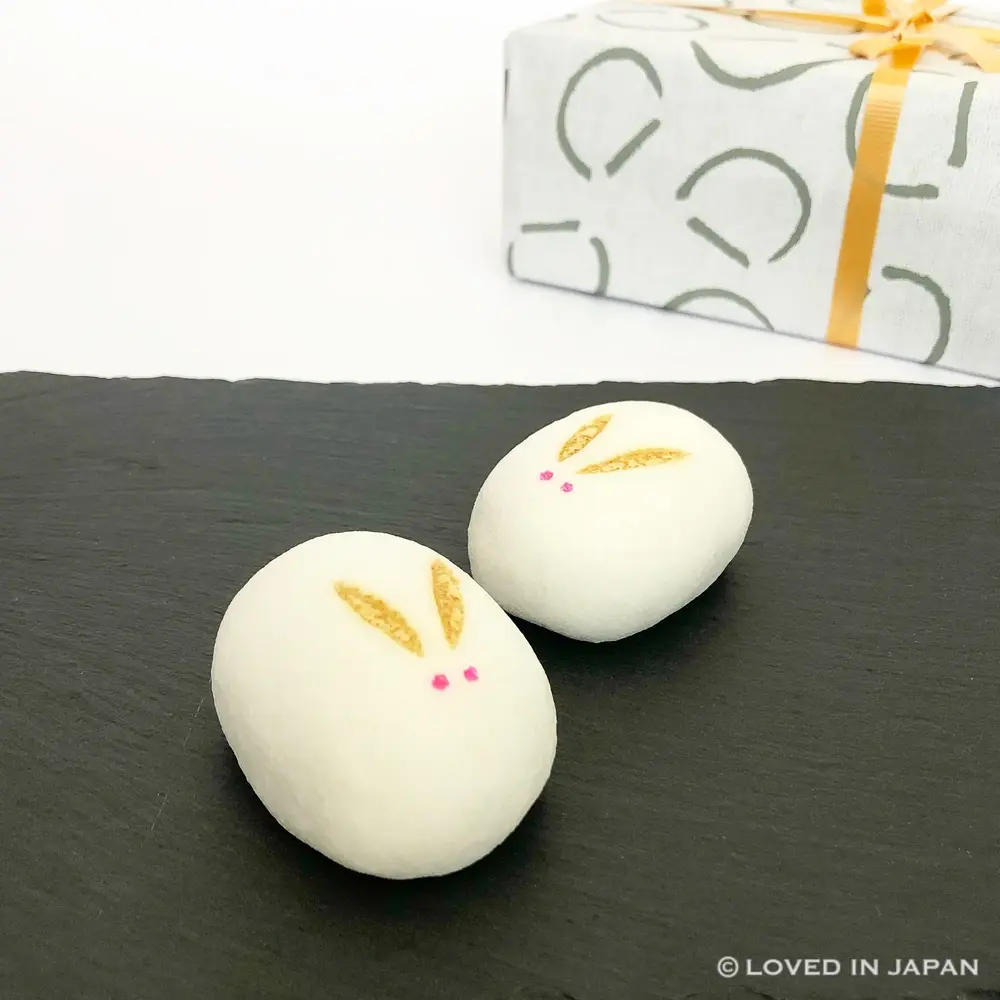
Beyond its rabbit shape, it offers a traditional manju combination of yam-based dough and smooth red bean paste. Each Usagi Manju is 240 yen including tax.
Stop by Usagiya While Exploring Ueno
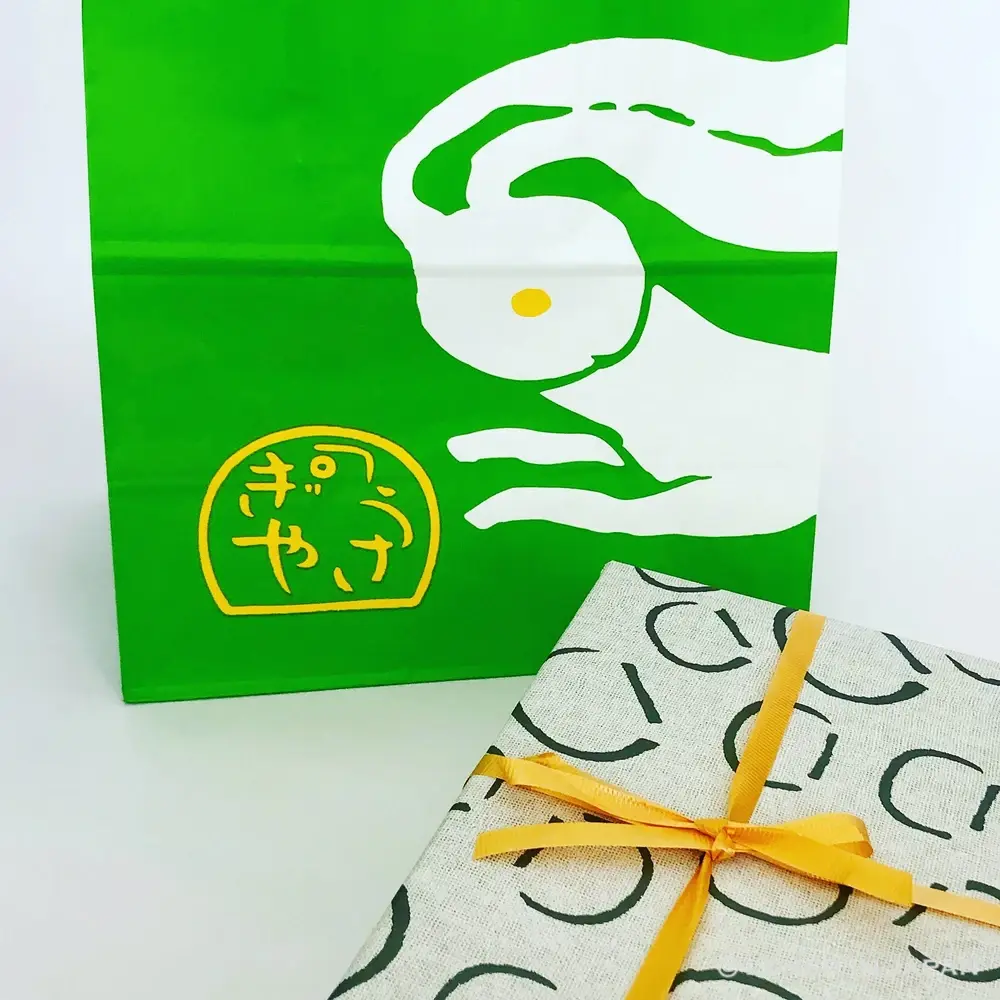
Usagiya is a takeaway wagashi shop where you buy sweets at the counter and take them with you.
During our visit, we saw many customers having boxes filled with several different wagashi rather than buying dorayaki alone.
For travelers, however, the most important point is not how long the sweets can survive a journey home. It is the chance to taste freshly made wagashi while you are in Tokyo.
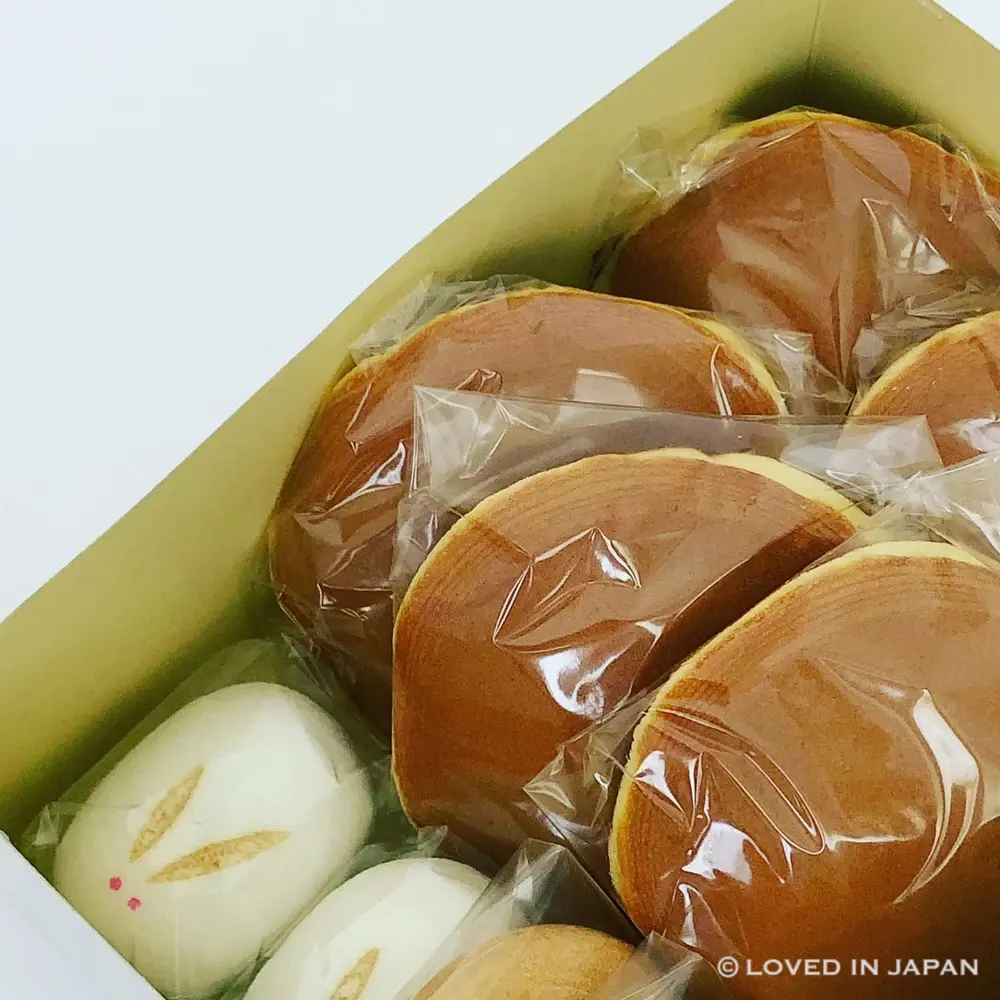
If you are planning to visit Ueno Park, Ameyoko, or the Okachimachi area, consider making the short detour to Usagiya. Eat the dorayaki on the day you buy it if you can, and if you have room, compare it with Kisaku Monaka or Usagi Manju to experience how different wagashi textures can be.
About Usagiya Ueno
| Address | 1-10-10 Ueno, Taito City, Tokyo |
|---|---|
| Access | Open in Google Maps |
| Dine-in Option | No |
| Phone | 03-3831-6195 |
| Hours | 9:00–18:00 Closed Wednesday |
| Website | Official website |