Imanishiken Ohagi in Kyoto: Three Flavors Worth Waking Up Early For
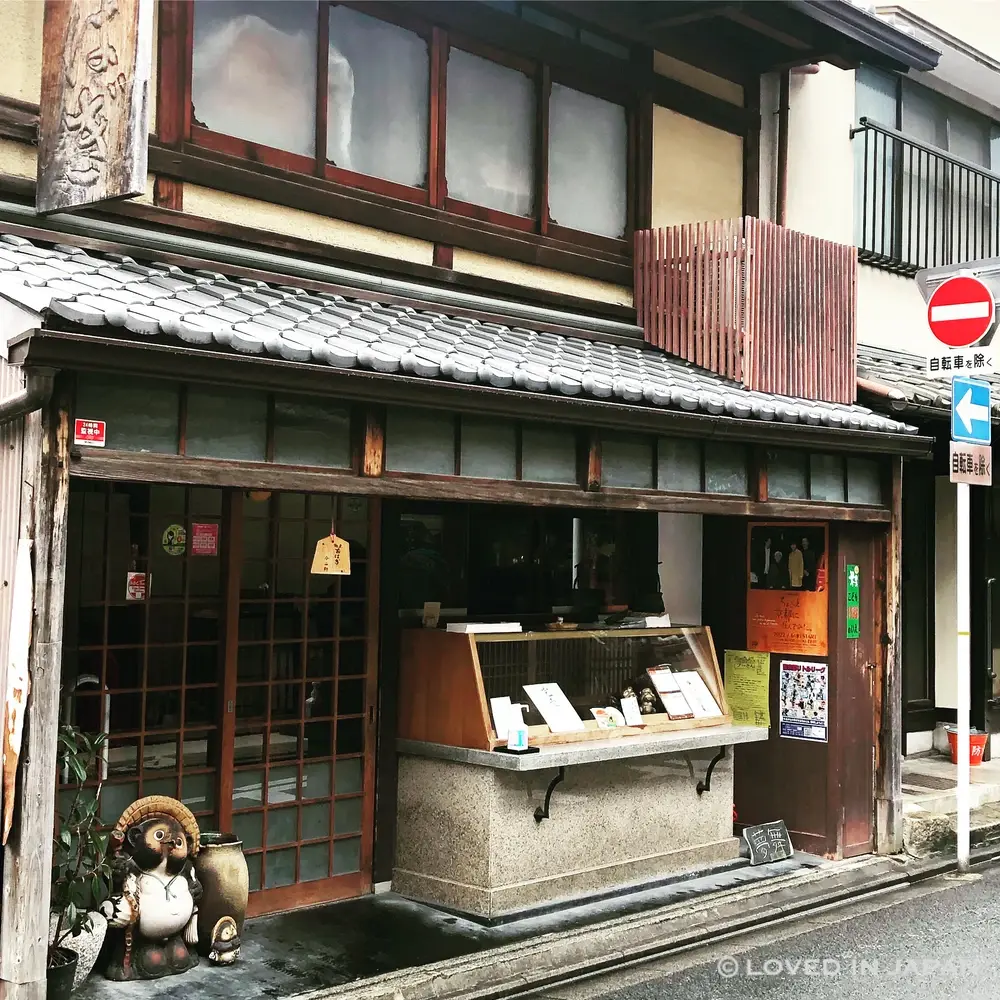
If you want to try traditional ohagi in Kyoto, Imanishiken near Gojo is one shop worth remembering.
Founded in 1897, this small wagashi shop stands just a short walk from Gojo Station in a traditional Kyoto-style building. Its ohagi come in three basic varieties: chunky red bean paste, smooth red bean paste, and kinako. Each one is 240 yen.
The sweets look simple, but what immediately stands out is the generous amount of anko and how lightly sweetened it tastes. Even though the rice is covered with a thick layer of bean paste, the flavor of the azuki beans remains clear instead of being overwhelmed by sugar.
What Is Ohagi?
Ohagi is a traditional Japanese sweet made by lightly pounding cooked glutinous rice and combining it with ingredients such as sweet red bean paste or kinako, roasted soybean flour.
Unlike daifuku, where a smooth layer of mochi usually encloses the filling completely, ohagi often retains some of the texture of the individual rice grains. This makes the flavors and textures of simple ingredients such as azuki beans, rice, and kinako particularly noticeable.
Imanishiken’s ohagi are not elaborate sweets decorated with multiple flavors or intricate designs. That simplicity is part of their appeal. Try all three varieties side by side and you can clearly notice how the texture of the bean paste and the aroma of kinako completely change the experience.
Go Early: They Can Sell Out Soon After Opening
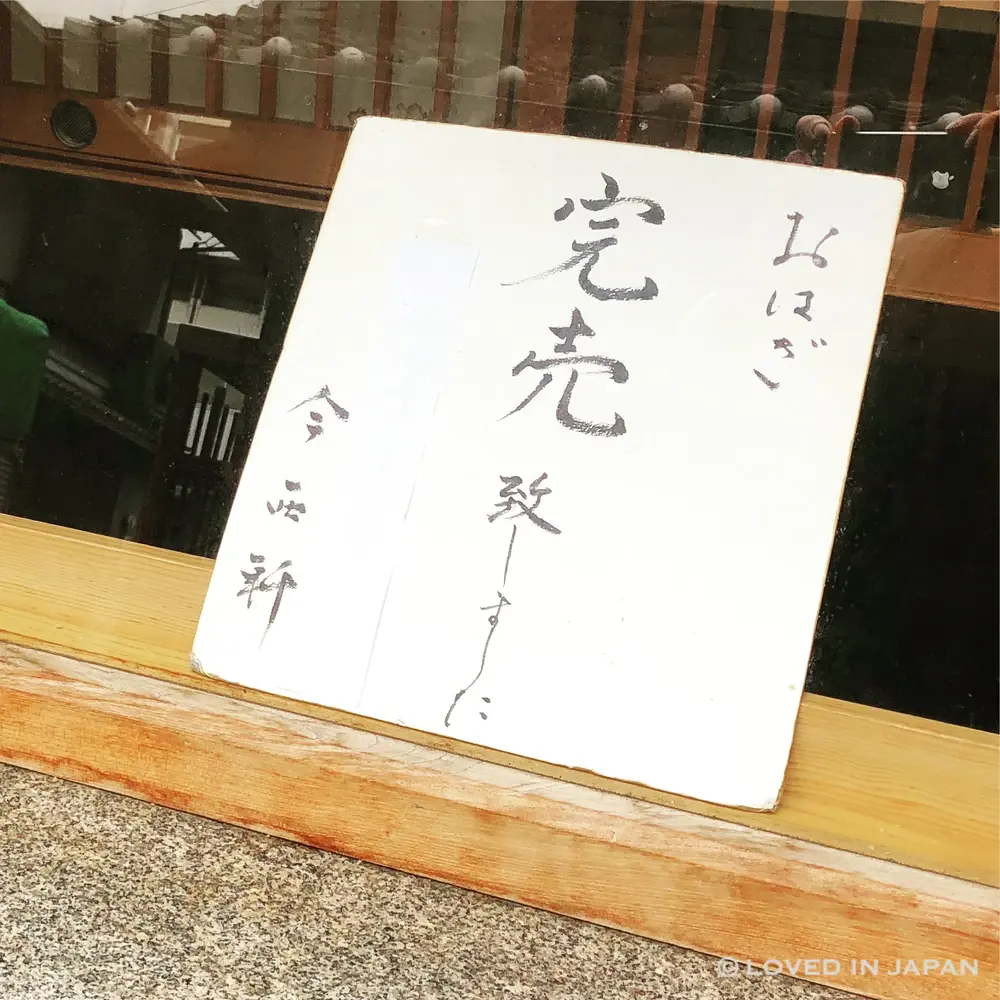
Imanishiken opens at 9:30am, but when we visited, people were already lining up before 9am. By the time the shop was about to open, the line had grown to around 30 people, and customers continued arriving until the day’s ohagi sold out.
On our visit, everything was gone at around 10:30am. Sell-outs in the morning are still common, so if you want the best chance of choosing from all three flavors, we recommend arriving around opening time rather than waiting until midday.
Once the day’s supply is gone, sales end.
A limited number can also be reserved in advance by phone. If Imanishiken is an important stop on your Kyoto itinerary and you want to make sure you get some, calling ahead is worth considering.
Try All Three Types of Ohagi
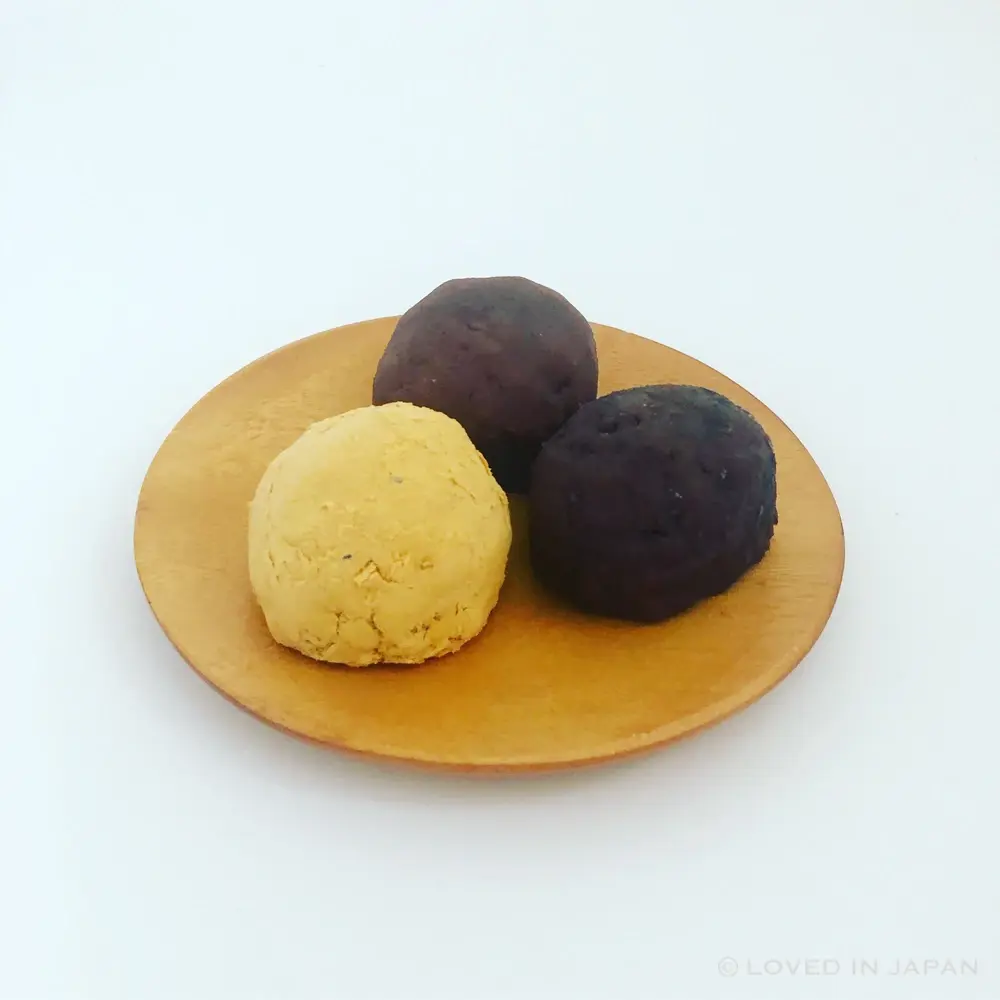
Imanishiken makes three kinds of ohagi: chunky red bean paste, smooth red bean paste, and kinako.
Each one feels surprisingly substantial in the hand. What makes them especially memorable is the thickness of the anko. Rather than covering the rice with only a thin layer, Imanishiken gives you enough bean paste to make the azuki itself a central part of the sweet.
Chunky Red Bean Paste: The Best Choice for Tasting the Azuki Beans
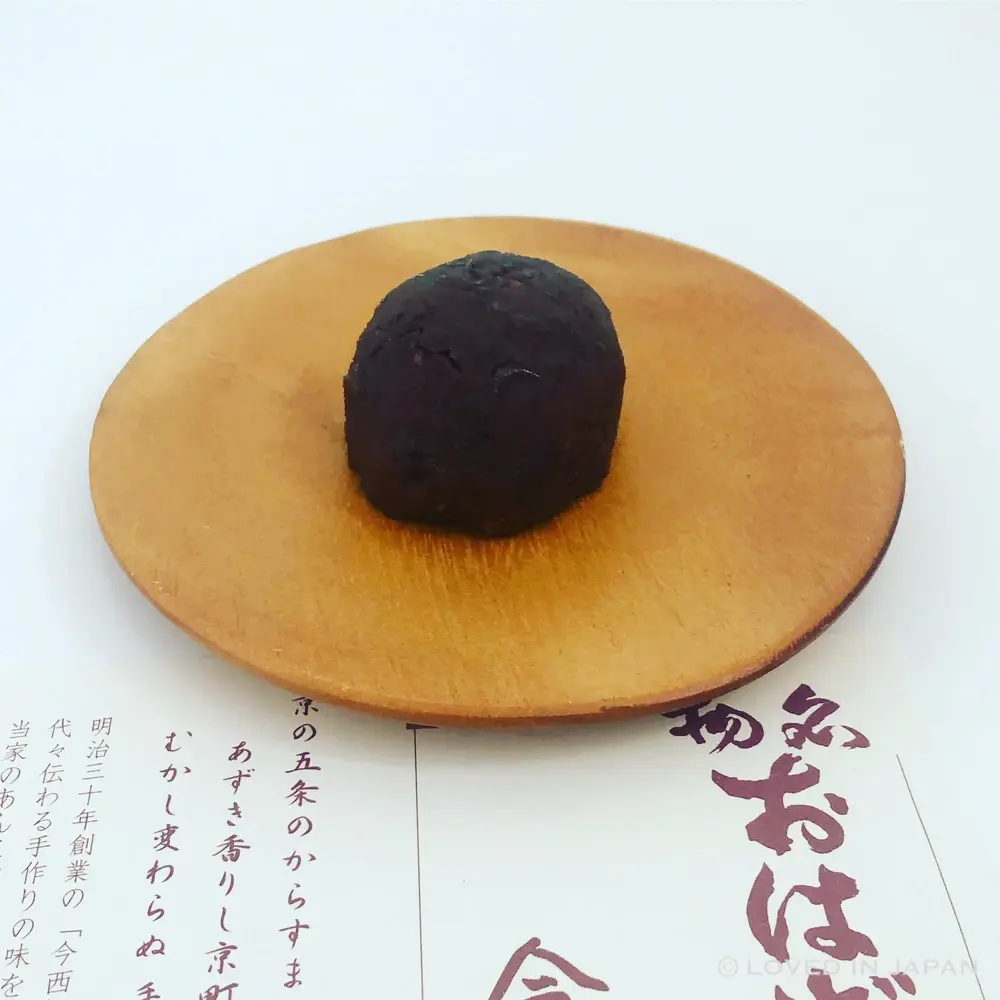
If you want to experience the flavor and texture of the azuki beans most clearly, start with the chunky red bean paste version.
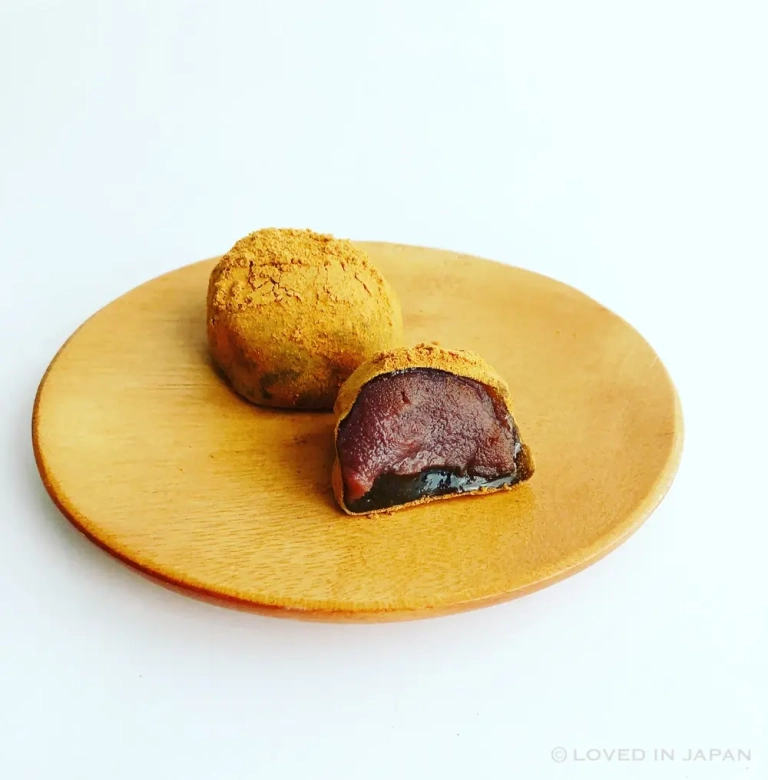
A thick layer of anko surrounds the moist glutinous rice.
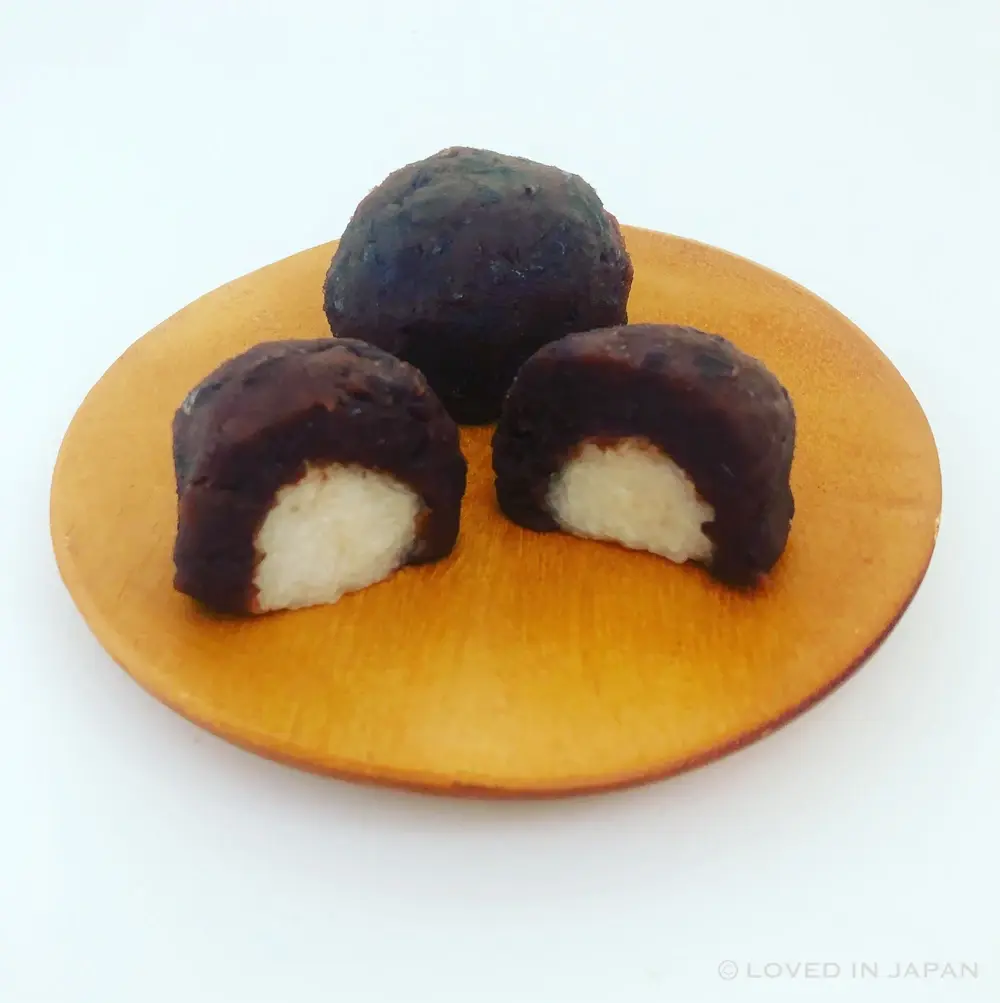
The beans retain some of their original texture, so each bite brings a slight resistance from the skins along with the deeper aroma of azuki. The sweetness does not dominate, which keeps the generous amount of bean paste from feeling excessively heavy and allows the gentle flavor of the rice to remain noticeable.
Each one is 240 yen and should be eaten on the day of purchase.
Smooth Red Bean Paste: For a Softer, Silkier Texture
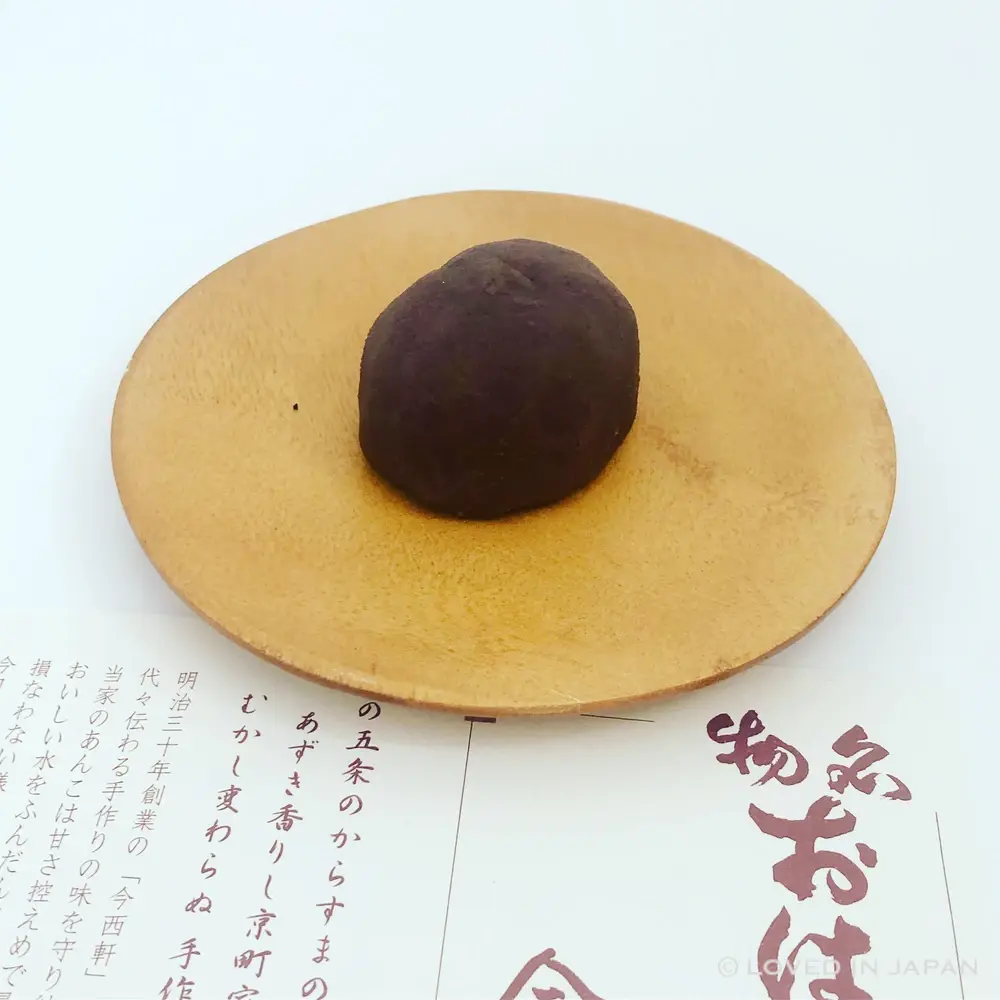
While the chunky version preserves the texture of the beans, the smooth red bean paste ohagi has a much finer consistency.
The anko surrounding the rice is remarkably smooth and gradually dissolves across the tongue.
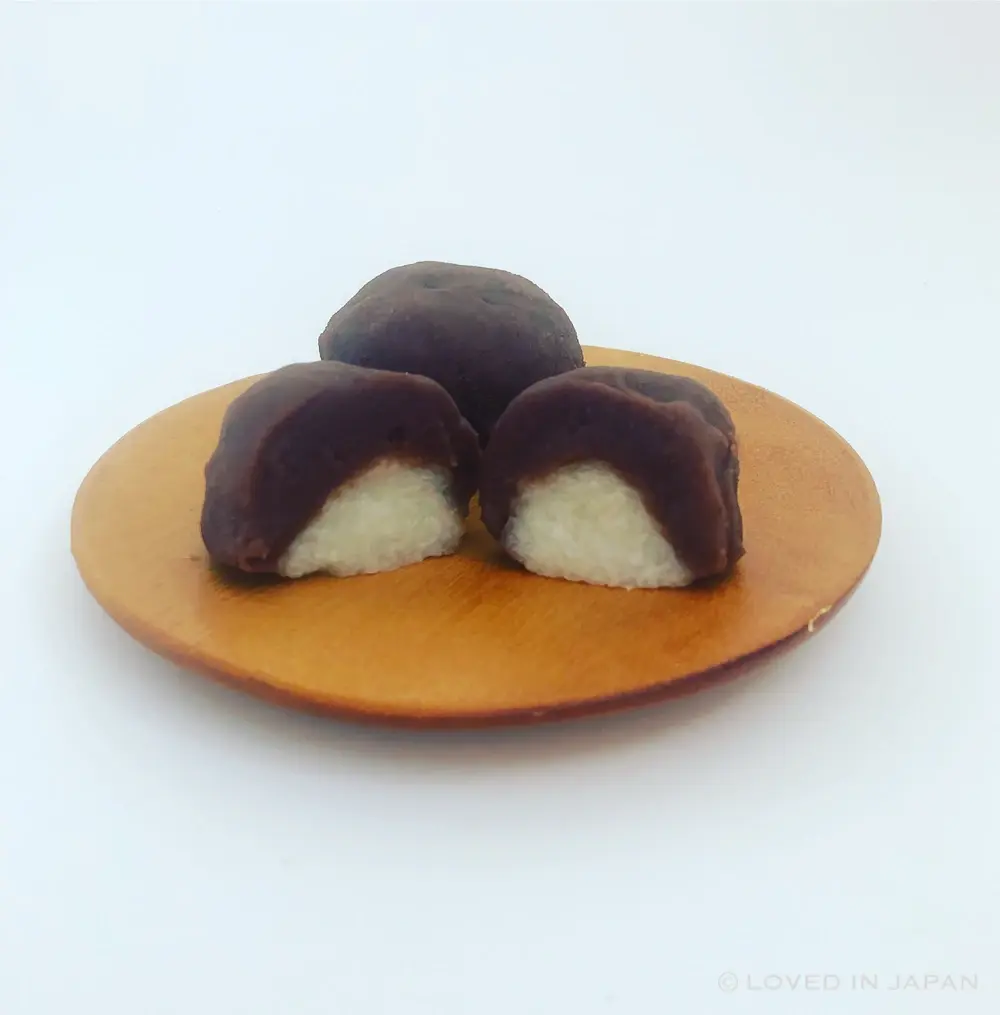
Without the texture of the bean skins, the rice and anko feel more integrated, and the sweetness comes across as particularly gentle. If you prefer a smooth mouthfeel over the distinct texture of whole azuki beans, this is the one we recommend.
It is also 240 yen and should be eaten on the day you buy it.
Kinako: Roasted Soybean Aroma with a Hint of Black Sesame
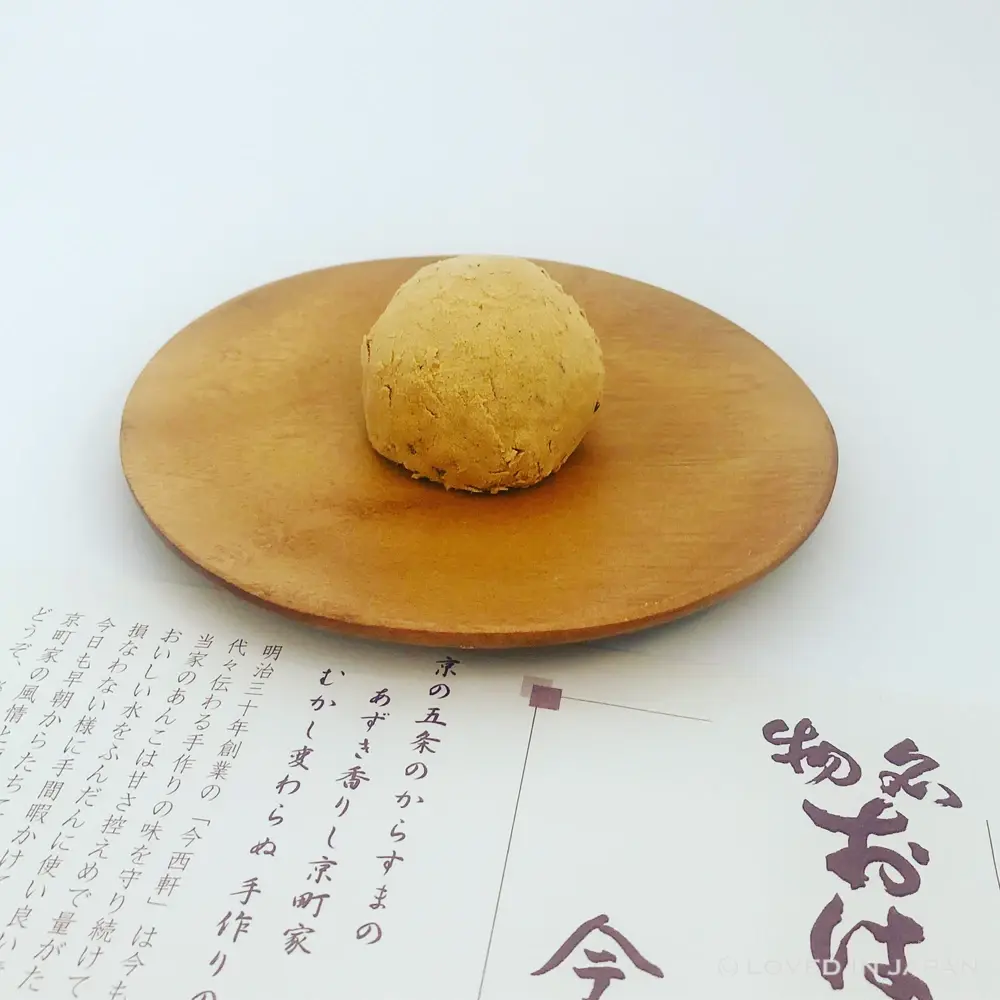
The kinako version is round, unlike the more oval-shaped red bean varieties.
Inside is glutinous rice wrapped around smooth red bean paste, with a generous coating of finely ground kinako on the outside.
As you bring it toward your mouth, the first thing you notice is the roasted aroma of soybeans. The soft rice and smooth anko follow, while black sesame mixed into the kinako occasionally adds a small burst of nuttiness and a subtle change in texture.
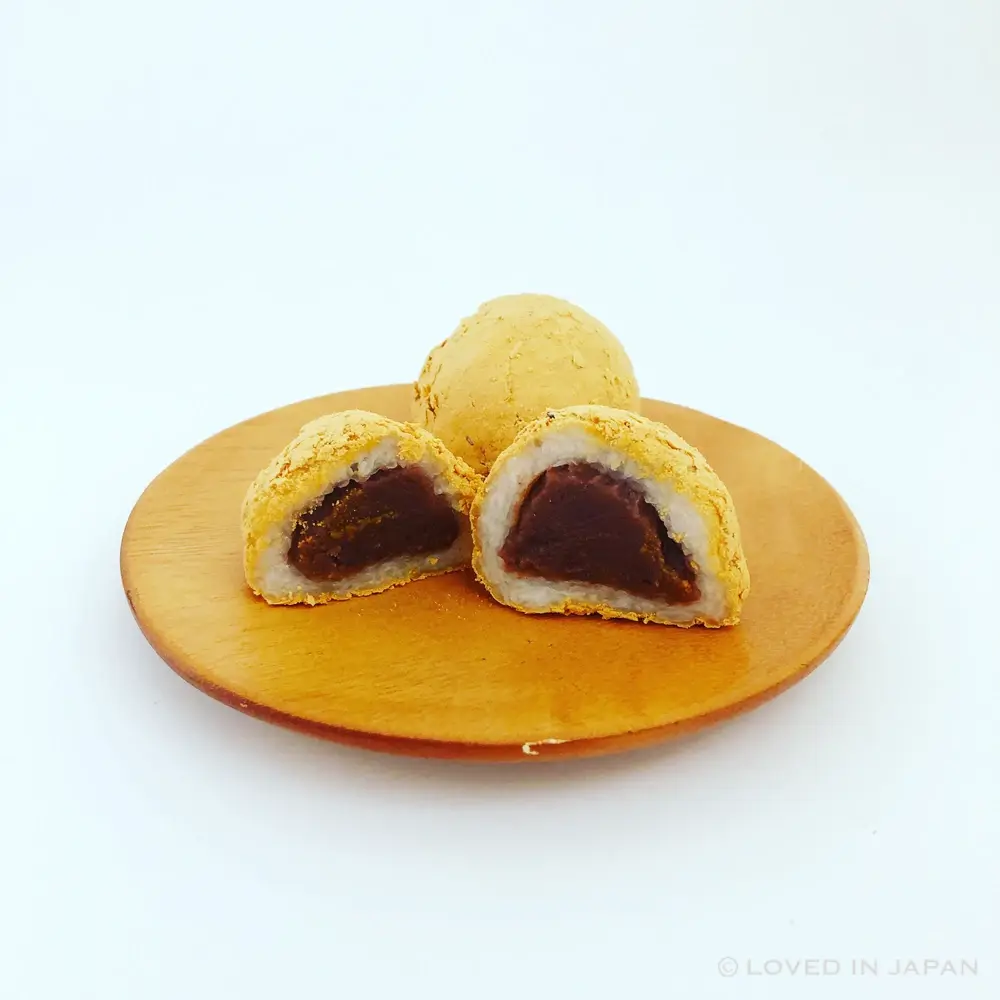
Compared with the two versions centered almost entirely on red bean paste, the added aromas of soybean and sesame give the kinako ohagi a noticeably different character.
If all three are available, we recommend buying one of each and comparing them.
A Kyoto Sweet to Eat the Same Day
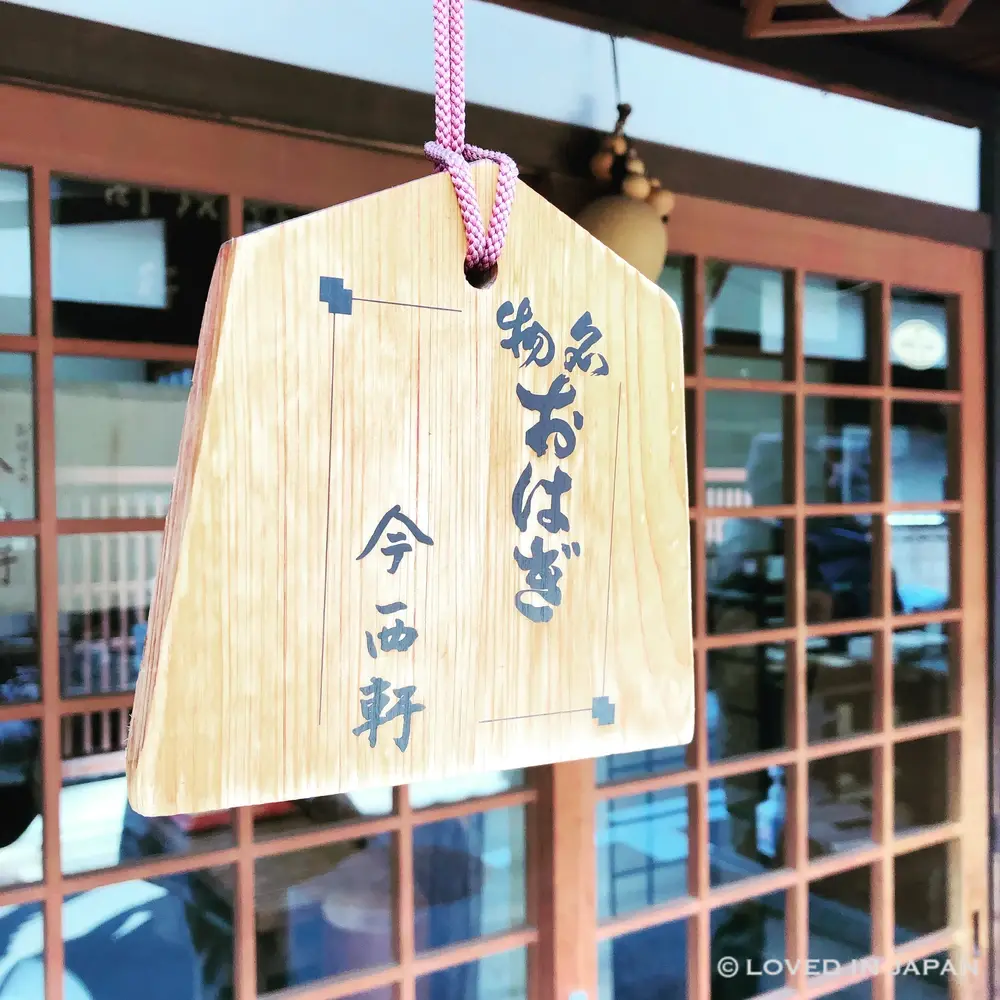
Imanishiken’s ohagi are meant to be eaten on the day you buy them.
Unlike boxed sweets designed to last for weeks, the appeal here lies in the moist texture of the rice and bean paste while they are still fresh. This makes them much better suited to enjoying during your stay in Kyoto than taking home on a long international journey.
Because the shop is only a short walk from Gojo Station, you can easily take your ohagi back to your hotel, enjoy them during a break from sightseeing, or make them one of your final treats in Kyoto before heading to the station.
What to Know Before Visiting Imanishiken
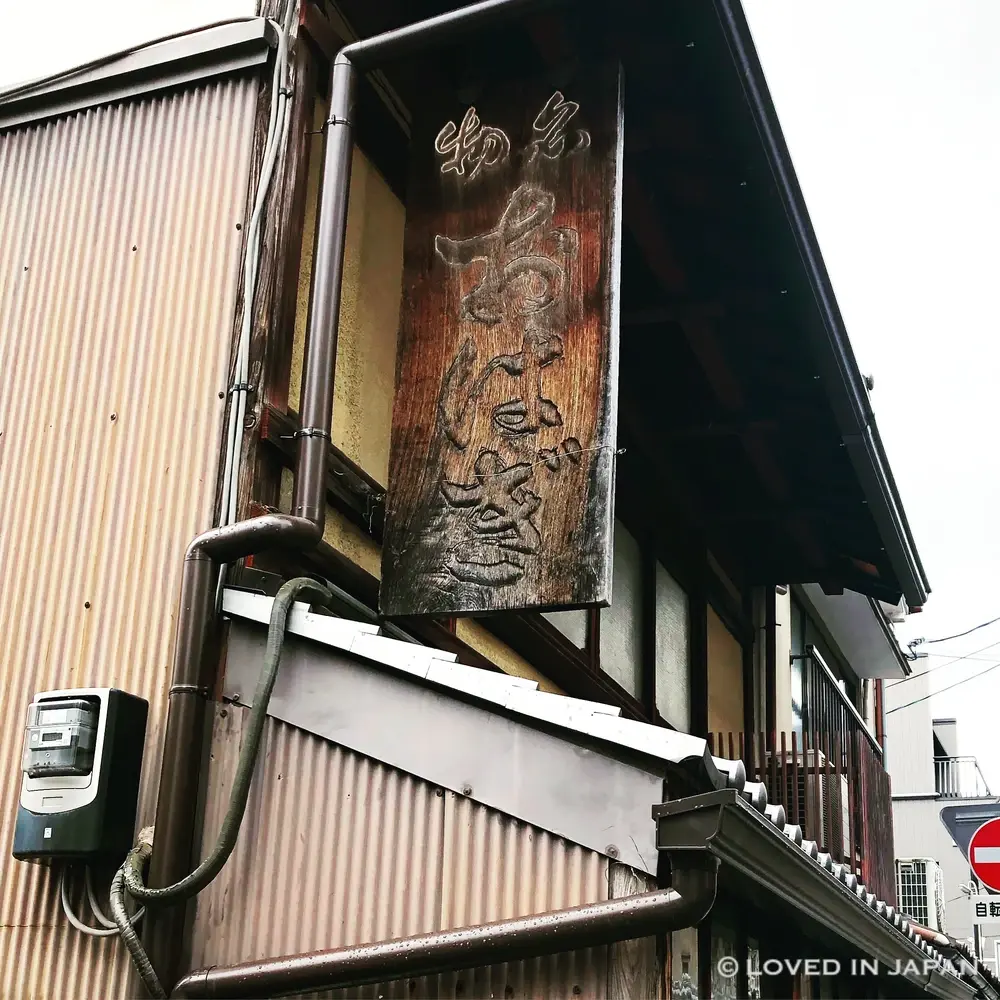
Imanishiken is about a one-minute walk from Exit 4 of Gojo Station on the Kyoto City Subway Karasuma Line. Gojo is only one stop from Kyoto Station, making the shop relatively easy to include in a sightseeing itinerary.
There is no seating or dine-in space, so all purchases are takeaway only.
The shop opens at 9:30am and closes once the day’s ohagi sell out. It is normally closed on Tuesdays and on the first, third, and fifth Mondays of the month. In July and August, it is closed on both Mondays and Tuesdays.
The most important thing to remember is that the listed closing time matters less than the sell-out time. At Imanishiken, planning to arrive early in the day is much more important than checking how late the shop is technically open.
If you want to experience traditional sweets in Kyoto, do not limit yourself to elaborate seasonal wagashi. A simple ohagi built around azuki beans and glutinous rice can be just as memorable, especially when the ingredients themselves are allowed to take center stage.
About Imanishiken
| Address | 312 Yokosuwa-cho, Shimogyo-ku, Kyoto |
|---|---|
| Access | Open in Google Maps |
| Dine-in Option | No |
| Phone | 075-351-5825 |
| Hours | 9:30am – sold out Closed Tue and the 1st, 3rd & 5th Mon Jul-Aug: Closed Mon-Tue |
| Website | none |